Solar panels get most of the attention, but the electrical work around them decides whether the system is safe and reliable.
1. Check your existing wiring
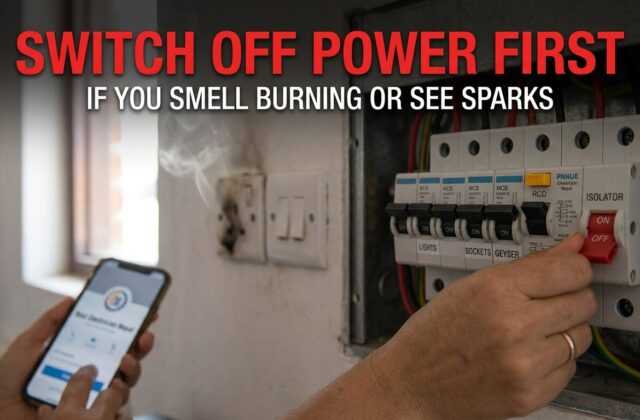
Old or damaged wiring can limit what your system can safely handle. An electrical inspection before installation can reveal weak points.
2. Review your distribution board
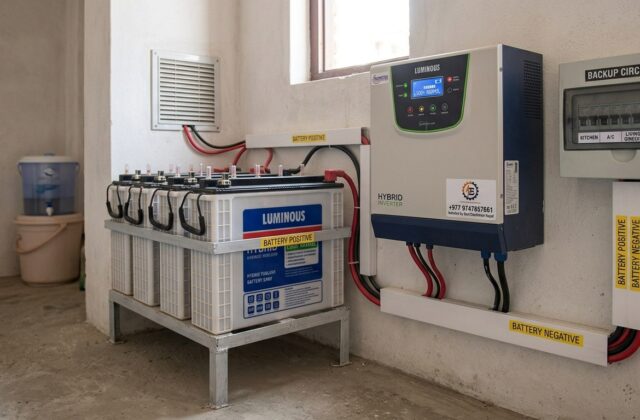
Solar and inverter systems need dedicated breakers and a tidy, properly labelled DB. If your board is crowded or outdated, upgrade it first.
3. Make sure earthing is solid
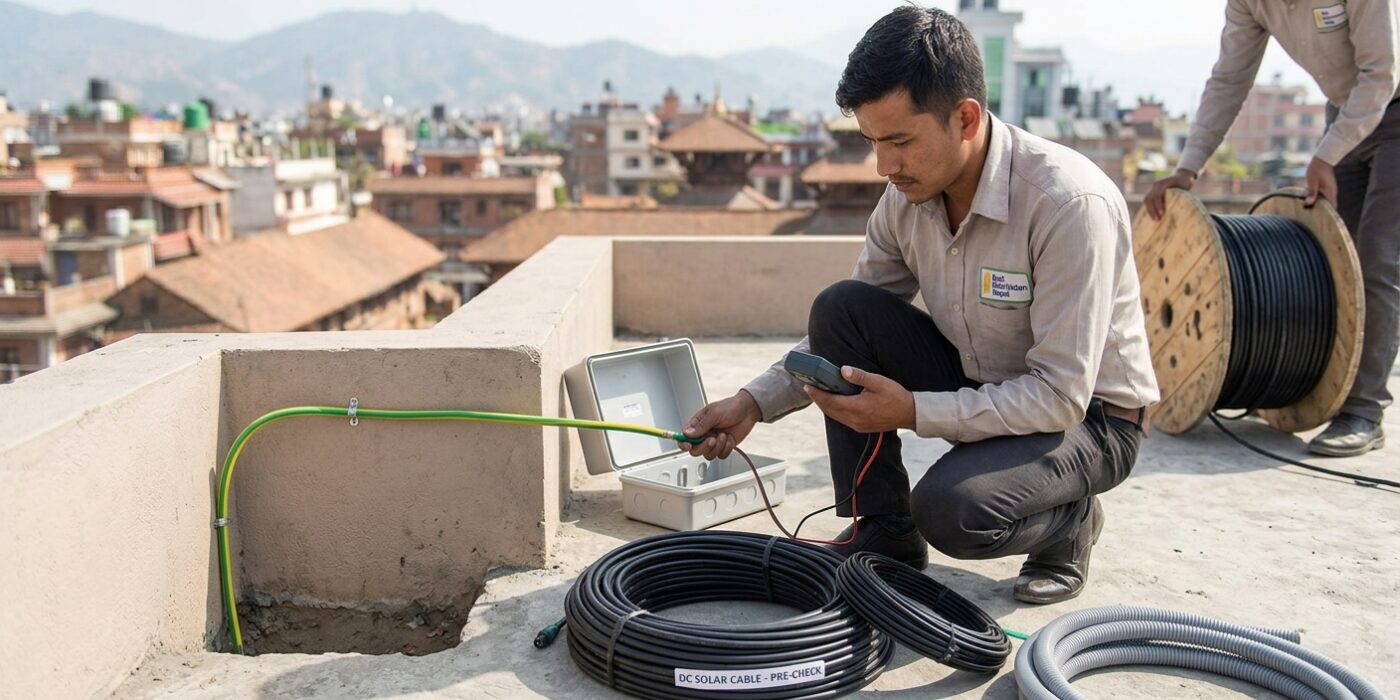
Solar installations need reliable earthing for panels, mounting structure and inverter, and surge protection matters in a country with strong monsoon storms.
4. Plan cable routes
DC and AC cables should be correctly sized, protected from sunlight and weather, and routed neatly with proper conduits.
5. Understand your load
Knowing which appliances you run, and when, helps size panels, inverter and batteries correctly rather than overpaying for capacity you will not use.
6. Choose a qualified installer
Solar is electrical work. Ask who handles the wiring, testing and protection, not only who sells the panels.
Learn about our solar electrical services or ask a question before you plan your system.